
Fairs & Festivals on the Costa del Sol February 2026
February
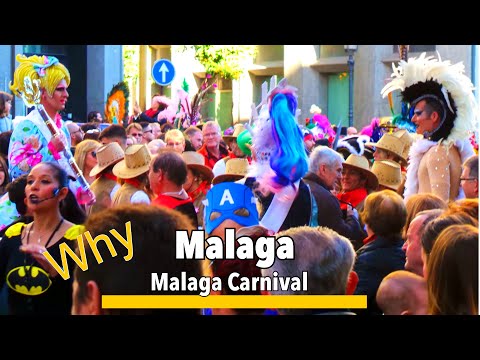
Málaga Carnival
The Málaga Carnival is one of the Costa del Sol's biggest winter celebrations, filling the streets of Málaga's historic centre with colour, music and entertainment. Usually held during February, the carnival features colourful parades, live performances, fancy dress competitions and street entertainment, creating a lively atmosphere enjoyed by both locals and visitors.
One of the highlights of the carnival is the Battle of the Flowers, where decorated floats travel along Calle Larios, showering the crowds with flower petals and confetti.
The festival comes to a unique and unforgettable conclusion with the Burial of the Anchovy (Entierro del Boquerón). Unlike most Spanish cities, which traditionally bury a sardine to mark the end of Carnival, Málaga celebrates its famous local fish – the boquerón (anchovy). A giant anchovy is carried through the streets in a humorous mock funeral procession, accompanied by mourners dressed in black, music and plenty of laughter. The procession finishes at La Malagueta Beach, where the giant anchovy is ceremonially burned, symbolising the end of Carnival and the beginning of Lent. It is one of Málaga's most unusual and entertaining traditions.
What to Expect
- Colourful carnival parades and spectacular costumes.
- Live music and street entertainment throughout the city centre.
- Fancy dress competitions and family activities.
- The popular Battle of the Flowers along Calle Larios.
- The unique Burial of the Anchovy procession ending with the ceremonial burning of the giant anchovy on La Malagueta Beach.
Best Places to Watch
- Plaza de la Constitución – The heart of the carnival celebrations.
- Calle Larios – Perfect for watching the parades and the Battle of the Flowers.
- Muelle Uno – A great place to watch the Burial of the Anchovy procession as it heads towards the beach.
- La Malagueta Beach – The final destination where the giant anchovy is burned.
Visitor Tips
- Many events are free to attend and suitable for all ages.
- Dressing up is encouraged, especially during the weekend celebrations.
- Arrive early for the main parades, as Calle Larios becomes extremely busy.
- Public transport is recommended, as road closures and limited parking are common during Carnival.
Good to Know
- Usually Held: February (dates vary each year)
- Location: Málaga Historic Centre
- Entry: Most events are free
- Suitable For: Families, couples, photographers and anyone wanting to experience one of Andalusia's most colourful festivals.

Andalusia Day (Día de Andalucía)
Andalusia Day (Día de Andalucía) is celebrated every year on 28th February and marks the anniversary of the 1980 referendum that gave Andalusia its autonomous status within Spain. It is one of the region's most important public holidays and is celebrated in towns and cities across the Costa del Sol.
Wherever you are staying, you'll find a festive atmosphere with local events, concerts, traditional music, dancing and community celebrations. Many town halls organise official ceremonies, while plazas often host live entertainment, food stalls and activities for families.
Throughout the day you'll see the green and white Andalusian flag proudly displayed from public buildings, balconies and homes. Schools, community groups and local organisations also take part in celebrations that highlight the region's history, culture and traditions.
Every town celebrates in its own way. Popular destinations including Fuengirola, Benalmádena, Mijas, Marbella, Estepona and Málaga all organise their own programmes of events, making it a great day to experience authentic Andalusian culture.
What to Expect
- Traditional music and flamenco performances.
- Local food stalls and regional specialities.
- Family-friendly entertainment and children's activities.
- Community celebrations in town squares and parks.
- Buildings and streets decorated with the green and white Andalusian flag.
Visitor Tips
- Check the local town hall's event programme before visiting, as every town has a different schedule.
- Many shops, banks and public offices may be closed because it is a public holiday.
- Restaurants, cafés and tourist attractions are generally open, although some may have reduced opening hours.
- Public transport usually operates, but services may run on a holiday timetable.
Good to Know
- Date: 28th February every year
- Location: Throughout Andalusia
- Entry: Most public events are free
- Suitable For: Families, visitors and anyone wanting to experience authentic Andalusian culture.
Did You Know?
Andalusia is Spain's most populous autonomous community, and Andalusia Day celebrates the region's identity, history and culture. It's one of the best opportunities for visitors to experience local traditions beyond the usual tourist attractions, with every town adding its own unique touch to the celebrations.

Marbella Carnival
The Marbella Carnival is one of the Costa del Sol's most colourful winter celebrations, bringing music, laughter and vibrant costumes to the streets every February. The festivities take place across Marbella, with many of the main events centred around the town centre, where locals and visitors come together to enjoy one of the year's most entertaining festivals.
One of the highlights is the Desfile del Humor (Humour Parade), where colourful floats, fancy dress costumes, music and street entertainers create a fantastic carnival atmosphere. Local carnival groups, known as chirigotas and comparsas, perform humorous songs and sketches, adding plenty of fun and tradition to the celebrations.
The carnival also includes children's events, costume competitions, live entertainment and food events, making it a great festival for families as well as visitors looking to experience authentic Andalusian culture.
What to Expect
- The colourful Desfile del Humor with floats and fancy dress.
- Live performances by traditional chirigotas and comparsas.
- Costume competitions for both children and adults.
- Music, dancing and entertainment throughout the town.
- Family-friendly activities and a lively carnival atmosphere.
Visitor Tips
- Wear a costume if you want to join in – fancy dress is encouraged!
- Arrive early for the Desfile del Humor to get a good viewing spot.
- The town centre can become very busy, so comfortable footwear is recommended.
- Public transport is often the easiest way to reach Marbella during the carnival.
Good to Know
- Usually Held: February (dates vary each year)
- Location: Marbella Town Centre
- Entry: Most events are free
- Suitable For: Families, couples and anyone looking to experience one of the Costa del Sol's most colourful winter festivals.
Did You Know?
Unlike Málaga Carnival, Marbella Carnival does not finish with the famous Burial of the Anchovy procession. Instead, the festival focuses on colourful parades, traditional carnival performances and community celebrations, making it one of the Costa del Sol's most enjoyable family events.

Benalmádena Carnival
The Benalmádena Carnival is one of the Costa del Sol's most colourful winter celebrations, taking place every February with events held in both Benalmádena Pueblo and Arroyo de la Miel. The carnival combines traditional Andalusian customs with modern entertainment, attracting families, locals and visitors for several days of music, costumes and community celebrations.
One of the highlights of the carnival is the colourful Carnival Parade, where floats, fancy dress costumes, dancers and entertainers fill the streets with music and laughter. Throughout the festival you'll also find performances by traditional chirigotas and comparsas, whose humorous songs and satirical performances are an important part of carnival culture across Andalusia. Benalmádena is also well known for hosting one of Spain's leading Drag Queen Galas, held in Plaza de la Mezquita, which attracts performers from across the country.
The celebrations come to a unique conclusion with the Entierro de la Lagartija (Burial of the Lizard). Unlike many Spanish carnivals that end with the Burial of the Sardine, Benalmádena follows its own tradition by holding a humorous farewell procession before the symbolic burning of a giant lizard, marking the end of Carnival and the beginning of Lent.
What to Expect
- Colourful carnival parades with floats and fancy dress.
- Live performances by traditional chirigotas and comparsas.
- One of Spain's best-known Drag Queen Galas.
- Music, dancing and entertainment for all ages.
- The unique Burial of the Lizard procession and ceremonial burning.
Visitor Tips
- Fancy dress is encouraged, so don't be afraid to join in the fun.
- Arrive early for the main parade to secure a good viewing spot.
- Many events are free and suitable for the whole family.
- Public transport is recommended, particularly for events in Arroyo de la Miel.
Good to Know
- Usually Held: February (dates vary each year)
- Location: Benalmádena Pueblo and Arroyo de la Miel
- Entry: Most events are free
- Suitable For: Families, couples and anyone wanting to experience one of the Costa del Sol's most entertaining winter festivals.
Did You Know?
Benalmádena is one of the few places in Spain where Carnival ends with the Burial of the Lizard (Entierro de la Lagartija) instead of the traditional Burial of the Sardine. This quirky local tradition has become one of the festival's most recognisable events and reflects the town's own unique carnival identity.

Torremolinos Carnival
The Torremolinos Carnival is one of the Costa del Sol's most entertaining winter festivals, taking place every February with a packed programme of colourful parades, live music, costume competitions and family-friendly activities. The celebrations are held across several locations, including Plaza Costa del Sol, Parque de la Batería and La Carihuela, attracting both locals and visitors looking to enjoy the carnival atmosphere.
The festival begins with the traditional Pregón (Opening Ceremony) before a lively weekend of entertainment featuring chirigotas and comparsas – the humorous singing groups that are a much-loved part of Andalusian carnival traditions. Fancy dress competitions for children and adults, street parades and live performances create a fun-filled atmosphere throughout the town.
The celebrations come to a traditional close with the Burial of the Sardine (Entierro de la Sardina). A humorous funeral procession makes its way to La Carihuela Beach, where a giant sardine is ceremonially burned. This symbolic event marks the end of Carnival and the beginning of Lent, bringing the festivities to a memorable conclusion.
What to Expect
- A colourful carnival parade with floats, music and spectacular costumes.
- Live performances by traditional chirigotas and comparsas.
- Fancy dress competitions for children and adults.
- Street entertainment, dancing and live music.
- The traditional Burial of the Sardine on La Carihuela Beach.
Best Places to Watch
- Plaza Costa del Sol – The heart of the carnival celebrations.
- Parque de la Batería – Popular for family activities and children's events.
- La Carihuela Promenade – A great place to watch the carnival parade.
- La Carihuela Beach – The final destination for the Burial of the Sardine.
Visitor Tips
- Fancy dress is encouraged, so don't be afraid to join in.
- Arrive early for the main parade and the Burial of the Sardine, as they attract large crowds.
- Many carnival events are free and suitable for all ages.
- Public transport is recommended, as road closures and limited parking are common during Carnival.
Good to Know
- Usually Held: February (dates vary each year)
- Location: Torremolinos
- Entry: Most events are free
- Suitable For: Families, couples and anyone wanting to experience one of the Costa del Sol's liveliest winter festivals.
Choose another month


Costa del Sol markets
Most towns have an outdoor market on the Costa del Sol. click / tap below for more information on all the main markets.

Costa del Sol music
All the main venue's on the Costa del Sol for music concerts including Starlite in Marbella.

Fairs & festivals
There are over 3000 fairs & festivals on the Costa del Sol here is just a few
